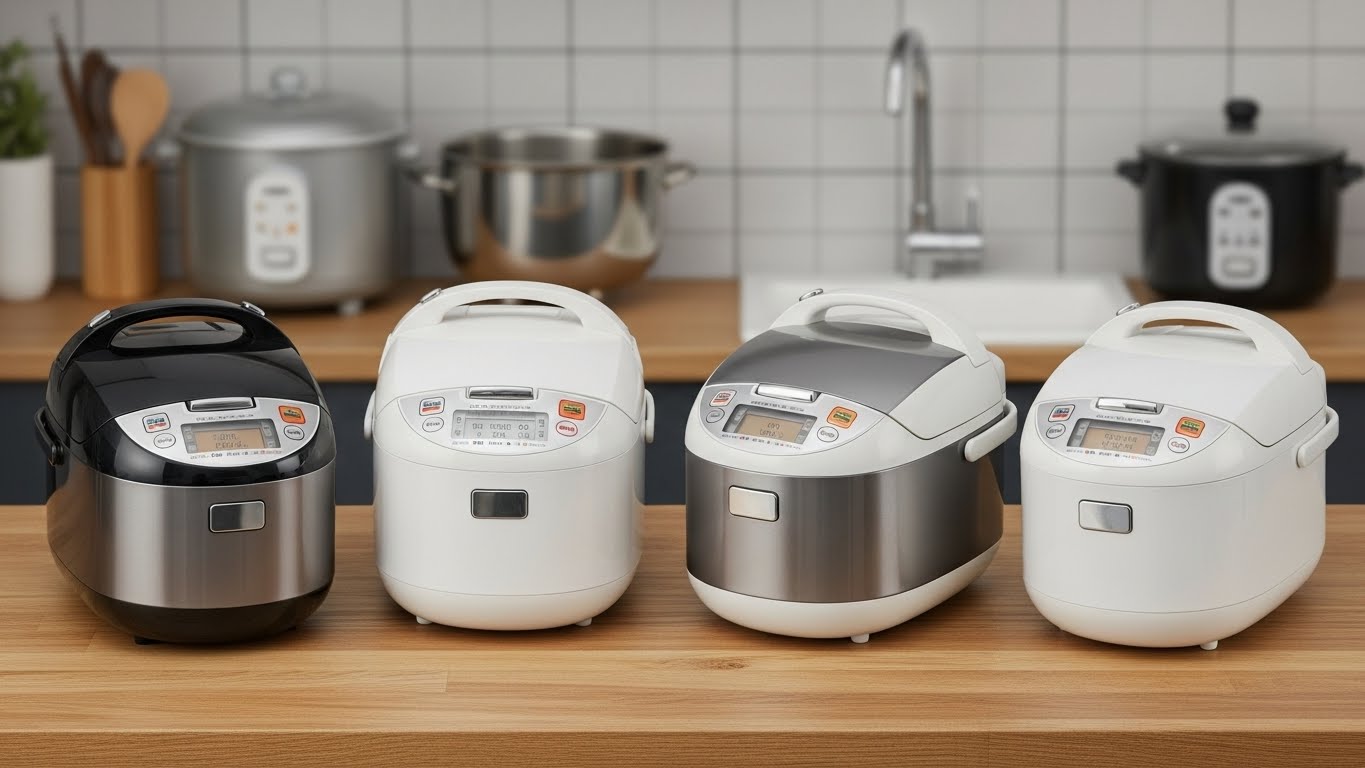
If you cook rice several times a week, the two features that matter most are:
- Fuzzy logic (smart cooking control): adjusts heat/time automatically for more consistent texture
- Keep-warm quality: keeps rice soft and fresh for hours (instead of drying out or turning mushy)
Here are four daily-driver picks—from premium pressure models to budget-friendly fuzzy logic machines—followed by a simple guide to choosing the right one.
Top picks at a glance
- Best Overall (value + daily convenience): COSORI Rice Cooker 10 Cup (24h keep warm + fuzzy logic)
- Best Premium (best texture control): CUCKOO Twin Pressure Rice Cooker (Induction Heating)
- Best Midrange Pressure Upgrade: CUCKOO Twin Pressure Rice Cooker (Nonstick Inner Pot)
- Best for Bigger Households: TOSHIBA OriginTaste 10-Cup Uncooked (fuzzy logic + large capacity)
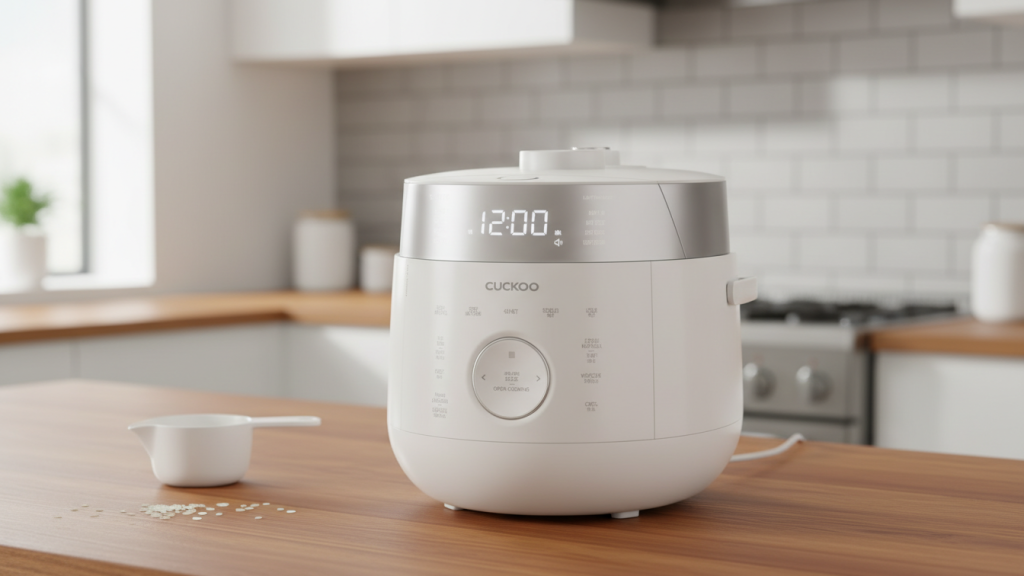
1) CUCKOO Twin Pressure Rice Cooker (Induction Heating, 6-Cup Uncooked / 12-Cup Cooked, CRP-LHTR0609FW)
What you’re getting
A premium pressure rice cooker with induction heating and lots of menu modes—built for people who care about texture (sticky/springy/fluffy) and want consistency across different rice types.
Daily-use strengths
- Induction heating is great for stable, even heat control (especially helpful for repeatable results).
- Pressure cooking typically improves texture and speed—rice often comes out more “restaurant-quality.”
- Designed for households that cook rice frequently and want a “set it once, trust it” machine.
Keep-warm performance
Pressure models like this are usually the best at keeping rice pleasant longer because they’re designed to manage moisture and temperature more precisely.
Downsides
- It’s the most expensive option here.
- Pressure cookers can be a bit more involved to clean (lid/steam parts).
Best for: rice lovers, meal-preppers, and families who want top-tier texture every day.
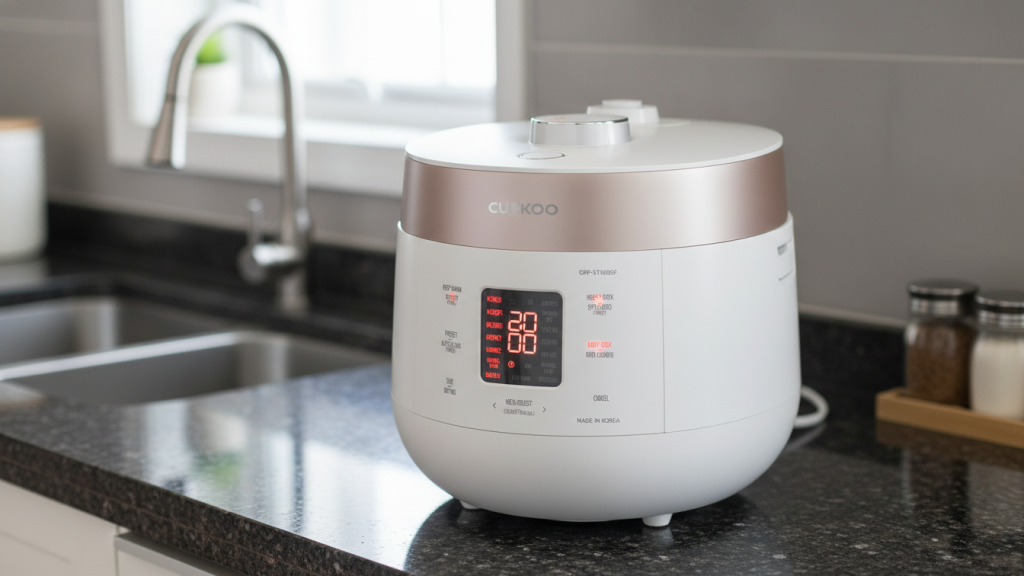
2) CUCKOO Twin Pressure Rice Cooker (6-Cup Uncooked / 12-Cup Cooked, Nonstick Inner Pot, CRP-ST0609FW)
What you’re getting
A twin pressure model that gives you pressure-style cooking benefits at a more approachable price, with a nonstick inner pot for easier cleanup.
Daily-use strengths
- Great “upgrade path” if you want better rice than basic cookers without jumping to the top-tier induction model.
- Nonstick pot is typically faster to wash after daily use.
- Good option for mixed households (white rice daily, brown rice sometimes, plus occasional grains).
Keep-warm performance
Usually stronger than basic cookers—especially if you keep rice warm for lunch/dinner timing.
Downsides
- Still more complex than a simple one-button cooker.
- Not as premium as induction heating models for heat control.
Best for: daily rice eaters who want pressure performance without paying flagship pricing.
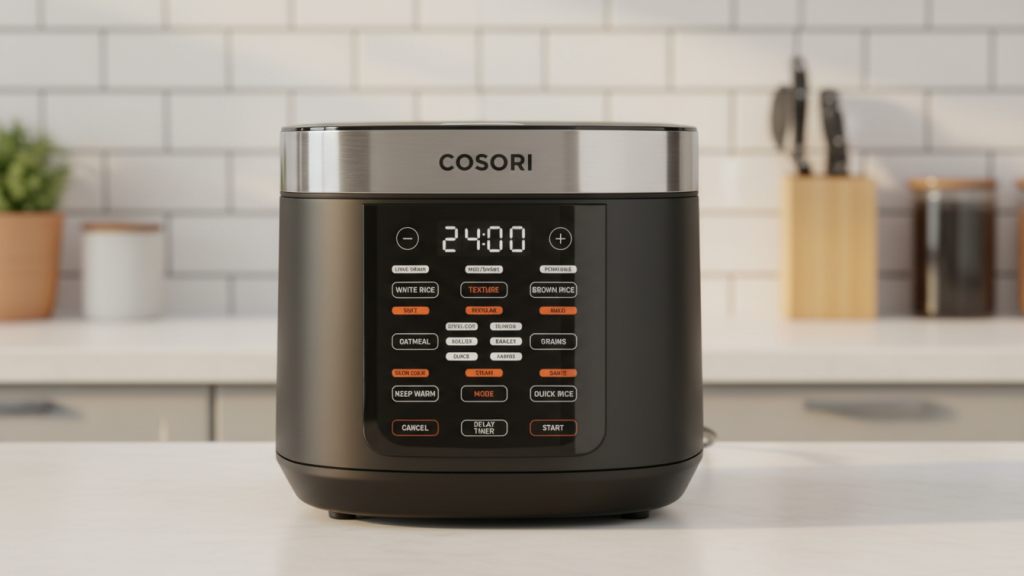
3) COSORI Rice Cooker 10 Cup (24h Keep Warm, Fuzzy Logic, Ceramic Nonstick Pot, 18 Functions + Steamer Basket)
What you’re getting
A fuzzy logic rice cooker with a 24-hour keep-warm, lots of modes, and a ceramic-style nonstick pot—aimed at everyday convenience.
Why it’s a daily-use favorite
- Fuzzy logic is the sweet spot for most people: consistently good rice without the learning curve of pressure models.
- 24-hour keep warm is ideal if your household eats rice across the day.
- Multi-cooker flexibility (steam basket + multiple functions) makes it useful beyond rice.
Keep-warm performance
For daily routines, this is the most convenient: cook once, keep warm, serve later—without constant monitoring.
Downsides
- Non-pressure models won’t always match the “extra bounce” texture that premium pressure cookers can deliver.
- “10 cup” sizes can be physically bigger—measure your counter space.
Best for: most households who want the best balance of price, features, and easy daily use.
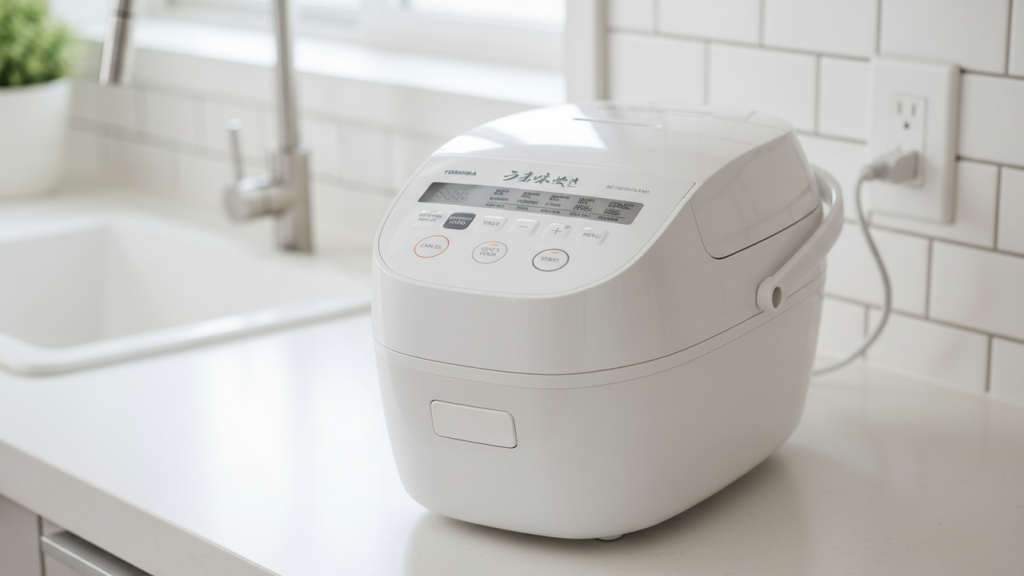
4) TOSHIBA OriginTaste Rice Cooker (10-Cup Uncooked, Fuzzy Logic, 15-in-1, Delay Timer + Keep Warm)
What you’re getting
A larger-capacity fuzzy logic cooker that’s built for families and frequent batch cooking, with practical features like delay timer and strong everyday presets.
Daily-use strengths
- 10-cup uncooked capacity is great for families, guests, meal prep, or weekly cooking.
- Fuzzy logic helps reduce “too wet / too dry” results when you’re making big batches.
- Delay timer is perfect for setting rice to be ready at dinner time.
Keep-warm performance
Solid for daily schedules—especially when you cook a large batch and serve across multiple meals.
Downsides
- Bigger footprint than 6-cup models.
- If you only cook for 1–2 people, it may feel oversized.
Best for: families and meal-preppers who want large capacity + consistent results.
Fuzzy Logic vs Basic Rice Cookers (what matters for daily cooking)
Basic cookers (thermostat “cook/warm”)
Pros: cheaper, simple, fewer parts
Cons: texture varies more (especially brown rice), keep-warm can dry rice faster
Fuzzy logic cookers (sensor + microprocessor)
Pros: more consistent texture, better with brown/jasmine/sushi rice, usually better keep-warm
Cons: higher price than basic, more buttons/modes
Pressure cookers (often best texture control)
Pros: excellent texture, strong performance on different grains
Cons: higher cost, more parts to clean, slightly more learning curve
The optimal choice (Best Overall)
✅ Best Overall for Daily Use: COSORI Rice Cooker 10 Cup (Fuzzy Logic + 24h Keep Warm)
For most people, it’s the easiest “everyday win”: smart cooking control, long keep-warm, and a nonstick pot that doesn’t turn cleanup into a chore. It delivers the most daily convenience per dollar.
Choose CUCKOO Induction Pressure if:
You want the best possible rice texture and don’t mind paying more.
Choose TOSHIBA 10-cup uncooked if:
You cook big batches often or have a larger household.
Buyer checklist (quick and practical)
- Household size
- 1–3 people: 5–6 cup uncooked is usually enough
- Family/meal prep: 10 cup uncooked is more comfortable
- Keep-warm needs
- If you rely on warm rice for hours, prioritize fuzzy logic + extended keep warm
- Cleaning
- Look for a nonstick pot, removable inner lid (if available), and easy-to-wipe exterior
- Rice types
- Brown rice and mixed grains benefit most from fuzzy logic or pressure models